Listen to Dr. Fotuhi Share Practical, Science-Based Strategies to Sharpen Your Memory
Featured Podcasts
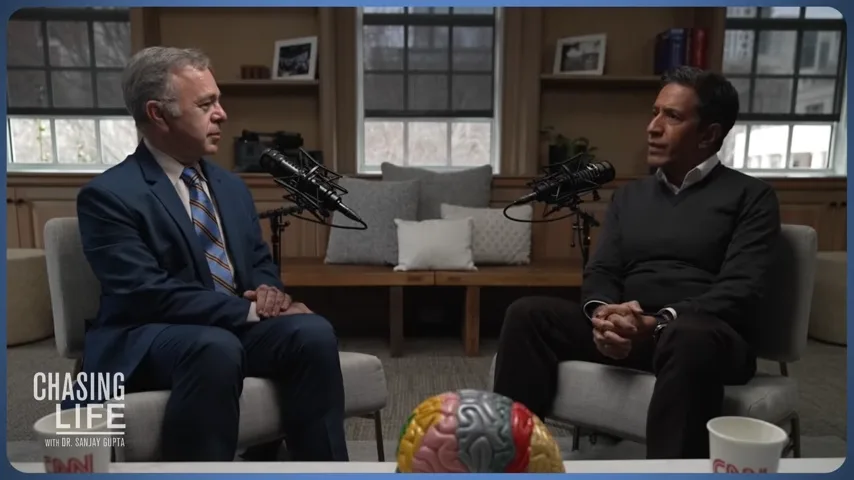
Chasing Life with Sanjay Gupta
Dr. Sanjay Gupta talks to neurologist Dr. Majid Fotuhi about his new book, ‘The Invincible Brain,’ and what it takes to keep your brain healthy and even help it grow.
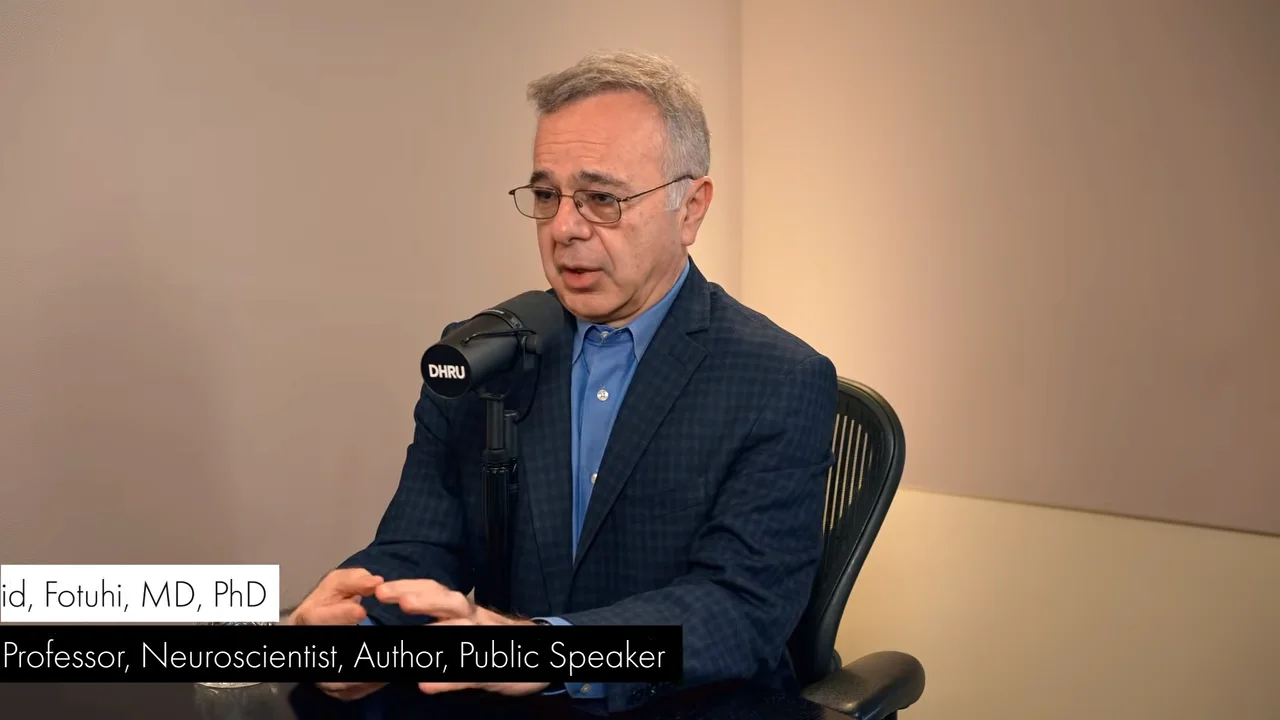
Dhru Purohit Show
Harvard-trained neurologist Dr. Majid Fotuhi joins Dhru Purohit to reveal why cognitive decline is a lifestyle mismatch and how to keep your brain sharp.
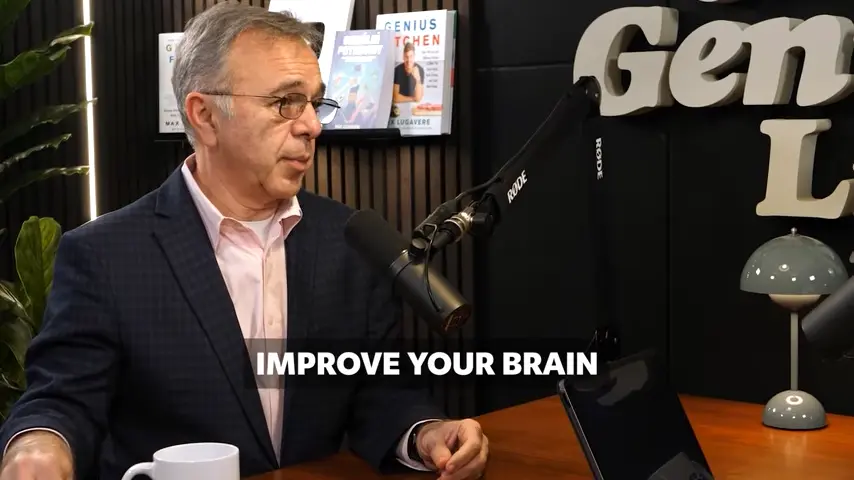
The Genius Life Podcast
Neurologist Dr. Majid Fotuhi, author of The Invincible Brain, joins Max Lugavere to break down the most powerful lifestyle habits for protecting your brain, staying sharp as you age, and reducing your risk of dementia.
Sigma Nutrition Radio
Explore the idea that neuroplasticity does not disappear in adulthood, but continues to respond to behaviours and exposures.
Afford Anything
Dr. Majid Fotuhi and Paula Pant explore healthcare, longevity, and the role of AI in medicine, alongside the tension between automation and humanity.
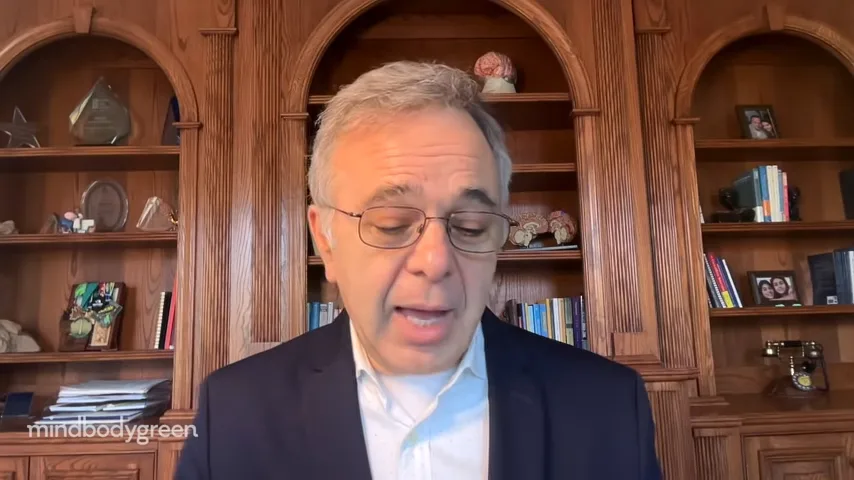
The mindbodygreen Podcast
Dr. Majid Fotuhi discusses how you’re in control of your brain health, just like your heart, and why some stay sharp into their 90s.
For General Audiences
Podcasts for general audiences
Gladden Longevity
Dr. Jeffrey Gladden and Dr. Majid Fotuhi discuss building an ‘Invincible Brain’ and its five pillars proven to increase brain volume and neuroplasticity.
Your Family’s Health
Dr. Jeanine Cook-Garard and Pandora Groth talk with Dr. Majid Fotuhi about Vitamin B-12 deficiency and its impact on memory and cognitive clarity.
Causes or Cures
In this episode of Causes or Cures, Dr. Eeks speaks with neurologist and neuroscientist Dr. Majid Fotuhi about brain aging, memory, intelligence, Alzheimer’s disease, and his new book: The Invincible Brain: The Clinically-Proven Way to Age-Proof Your Brain and Stay Sharp for Life.
Strategy Skills Podcast
Dr. Majid Fotuhi challenges the assumption that aging-related cognitive decline is inevitable, exploring how daily choices lead to meaningful improvements.
What Drives You with Kevin Miller
Neuroscientist Dr. Majid Fotuhi discusses his new book, ‘The Invincible Brain,’ and how we can best help our brain stay sharp until the end.
Peak Performance Life
Dr. Majid Fotuhi, neurologist and neuroscientist, discusses brain health, memory, and neuroplasticity in this episode focused on performance.
Podcasts For Health Care Providers and Clinicians
The Empowering Neurologist
Dr. Majid Fotuhi joins Dr. Perlmutter to discuss reclaiming cognitive potential and why the trajectory of your brain is not predetermined.
Sigma Nutrition Radio
Explore the idea that neuroplasticity does not disappear in adulthood, but continues to respond to behaviours and exposures.
SuperPsyched with Dr. Adam Dorsay
Dr. Adam Dorsay interviews Dr. Majid Fotuhi about keeping the brain resilient and reducing Alzheimer’s risk, highlighting the five key pillars for brain health.
Rational Wellness Podcast
Dr. Ben Weitz interviews Dr. Majid Fotuhi about how the brain stays resilient through neuroplasticity and lifestyle-based interventions.
The Health Sessions Podcast
Dr. Fotuhi discusses his clinically validated ‘Brain Fitness Program,’ which proven to prevent and reverse cognitive decline in just 12 weeks.
Gladden Longevity
Dr. Jeffrey Gladden and Dr. Majid Fotuhi discuss building an ‘Invincible Brain’ and its five pillars proven to increase brain volume and neuroplasticity.
Podcasts For Executives and Leaders
Afford Anything
Dr. Majid Fotuhi and Paula Pant explore healthcare, longevity, and the role of AI in medicine, alongside the tension between automation and humanity.
Strategy Skills Podcast
Dr. Majid Fotuhi challenges the assumption that aging-related cognitive decline is inevitable, exploring how daily choices lead to meaningful improvements.
What Drives You with Kevin Miller
Neuroscientist Dr. Majid Fotuhi discusses his new book, ‘The Invincible Brain,’ and how we can best help our brain stay sharp until the end.
Peak Performance Life
Dr. Majid Fotuhi, neurologist and neuroscientist, discusses brain health, memory, and neuroplasticity in this episode focused on performance.
The Executive Function Podcast
Sarah Kesty and Dr. Majid Fotuhi dive into easy ways to adjust your habits for a healthier brain, focusing on executive function and performance.
Health Longevity Secrets Show
Dr. Majid Fotuhi explains why forgetfulness isn’t the same as decline and how daily choices can restore sharpness through five key pillars.
Brain Health and Executive Function with Dr Majid Fotuhi
Team,
Our brains are, like, kind of a big deal. Since they don’t come with owner’s manuals, we may need a little help keeping them healthy and functioning well. That’s where Dr Fotuhi comes in . He’s spent decades learning about the brain, helping others change their brain health and, in turn, their lives. In this episode, we dive into easy(ish) ways to adjust your habits for a healthier brain. I hope you love it!
All my love,
Sarah
PS
My book is out in the wild, and it’s changing lives! Order Growing Executive Function at Solution Tree or on Amazon.
I’m also training educators and organizations across this beautiful globe, and we’re finding improving executive function is game-changing! If that sounds like what your school or organization needs, reach out! Sarah at sarahkesty.com.
Meet Dr. Majid Fotuhi , who earned his PhD in Neuroscience from Johns Hopkins University in 1992 and his Medical Degree from Harvard Medical School in 1997. Currently, he serves as an adjunct professor at the Mind/Brain Institute at Johns Hopkins University, while also teaching at George Washington University and Harvard Medical School. With 37 years of experience in teaching, clinical practice, and neuroscience research, Dr. Fotuhi has pioneered a multidisciplinary approach to enhancing brain vitality and cognitive performance at any age. His groundbreaking “Brain Fitness Program” combines a comprehensive baseline “Brain Portfolio” assessment with 12 bi-weekly brain training sessions. This program targets lifestyle optimization and cognitive stimulation to improve memory, focus, and overall brain health. Dr. Fotuhi’s program has delivered measurable success for patients dealing with memory loss due to aging, concussions, and ADHD, as documented in several peer-reviewed journals. He is also the author of three books, including the highly acclaimed Boost Your Brain: The New Art and Science Behind Enhanced Brain Performance.
Is it Alzheimer’s or Perimenopause? 5 Ways to Protect Your Midlife Brain with Dr. Majid Fotuhi
Your keys aren’t lost. Your mind isn’t going. And no, that’s not Alzheimer’s. Dr. Majid Fotuhi, Adjunct Professor, Johns Hopkins University & author of The Invincible Brain, busts the biggest myth in women’s brain health: that the fog, the forgetfulness, and the “wait, why did I walk in here?” moments of perimenopause are a sign of something sinister. Spoiler: they’re not. And your brain? It can literally grow.
From the surprising science of how walking three times a week can give you a measurably bigger brain, to why your hearing aid might be the best thing you ever do for your memory, Dr. Fotuhi gives us proof that midlife isn’t a decline — it’s a new childhood. And this time, you’re in charge.
Episode Overview (timestamps are approximate):
(0:00) Intro/Teaser
(5:00) Why Perimenopause Causes Brain Fog
(8:00) Estrogen & How Hormones Affect Memory
(13:00) Exercise Is the #1 Pillar of Brain Health
(16:00) Exercise That Grows Your Brain
(21:00) Brain Fog vs. Alzheimer’s
(26:00) Your Genes Are Not Your Destiny
(30:00) Medications & Hearing Loss
(43:00) Beyond IQ: The 30 Forms of Intelligence
(50:00) Brain Training & Neuroplasticity
(1:01:00) The After-Party with Dr. Stephanie
Resources mentioned in this episode: https://drstephanieestima.com/podcasts/ep458
We couldn’t do it without our sponsors:
QUALIA CREATINE+ – If you want to feel stronger, sharper, and more resilient, Qualia’s Creatine+ is my recommendation.Go to https://qualialife.com/better and use code BETTER to save up to 50%, plus an additional 15% off.
COZY EARTH – Cozy Earth helps you feel better by keeping your temperature perfect overnight to facilitate deep restorative sleep. Head to https://cozyearth.com and use my code BETTER for up to 20% off.
TROSCRIPTIONS – There’s a completely new way to optimize your health. Give it a try at https://troscriptions.com/BETTER or enter BETTER at checkout for 10% off your first order.
PIQUE LIFE – If you want to redefine your evening ritual and still feel like yourself the next day, you can get 10% off for life. Yes, for life at https://piquelife.com/better
How to slash your dementia risk in 12 weeks
Around the world, more than 50 million people are living with some form of dementia – a number expected to triple by 2050 as populations age. But the thing is, dementia is often talked about as a kind of genetic lottery. You either get lucky and escape it, or unlucky and develop it. But what if that framing is wrong? What if far more of our brain health is within our control than we’ve been led to believe?
Our guest today is Dr Majid Fotuhi, a neuroscientist who has spent decades treating and studying people with cognitive impairment. His message is a bold one: dementia is largely preventable – not with a miracle pill or silver-bullet treatment, but through the way we live.
The 12-week programme he and his team have developed has helped his patients improve their memory, regain independence, and even grow new brain connections. Today, he talks us through the essentials of the programme – and what it really takes to stay sharp for life.
Learn more about your ad choices. Visit podcastchoices.com/adchoices
Neuroplasticity and Reducing Risk of Cognitive Impairment
Conversations about brain health have been dominated by a competing mix of fatalism and over-promising, with aging framed as inevitable decline and “brain optimisation” sold through weak evidence. So how should we think about cognition across the lifespan? In this episode, we explore the idea that neuroplasticity does not disappear in adulthood, but instead continues to respond, for better or worse, to repeated behaviours and exposures. Much of what is labelled age-related cognitive decline may in fact reflect an accumulation of modifiable risk factors. We also dig into how to critically evaluate brain-health claims and how lifestyle pillars such as exercise, sleep, diet, stress reduction and cognitive training fit into a coherent framework. The discussion extends to emerging multimodal intervention programs, their promising signals and their clear limitations, and to a broader, multifactorial view of Alzheimer’s disease that moves beyond a narrow amyloid-centric model. Finally, we examine the role of genetics, including ApoE4, and why genetic risk does not equate to biological destiny, even later in life. Dr. Majid Fotuhi is a neurologist and an adjunct professor at the Johns Hopkins Mind/Brain Institute. He earned his medical degree from Harvard Medical School and completed a Ph.D. in neuroscience at Johns Hopkins University.
Age-Proof Your Brain – How Music Can Help Prevent Alzheimer’s and Keep You Sharp for Life
What if Alzheimer’s isn’t inevitable – and your brain is far more changeable than you’ve been led to believe? World-renowned neurologist Dr. Majid Fotuhi shares groundbreaking research from his new book showing that cognitive decline can often be delayed, prevented, and even reversed – and how music uniquely strengthens the brain’s memory, attention, and emotional networks. Dr. Majid Fotuhi is a world-renowned neurologist and medical doctor who is redefining how we think about aging, intelligence, and brain health. He teaches at Johns Hopkins University, George Washington University, and Harvard Medical School. He is the author of multiple books, the latest of which is The Invincible Brain: The Clinically Proven Plan to Age-Proof Your Brain and Stay Sharp for Life. He joins the show to discuss how music can play a role in enhancing brain vitality and cognitive performance at any age.
Angels and Awakening
Dr. Majid Fotuhi explores the intersection of neuroplasticity, spirituality, and brain health, explaining how science supports practices like prayer and meditation.